72m Ro-Pax Ferry
A 72 m series-design ro-pax ferry with flexible cabin and lane layouts for different route profiles and traffic volumes. Designed for tropical coastal service, carrying vehicles and passengers.
Showcasing design projects across bulk carriers, container ships, ro-ro vessels, tankers, and engineering vessels.
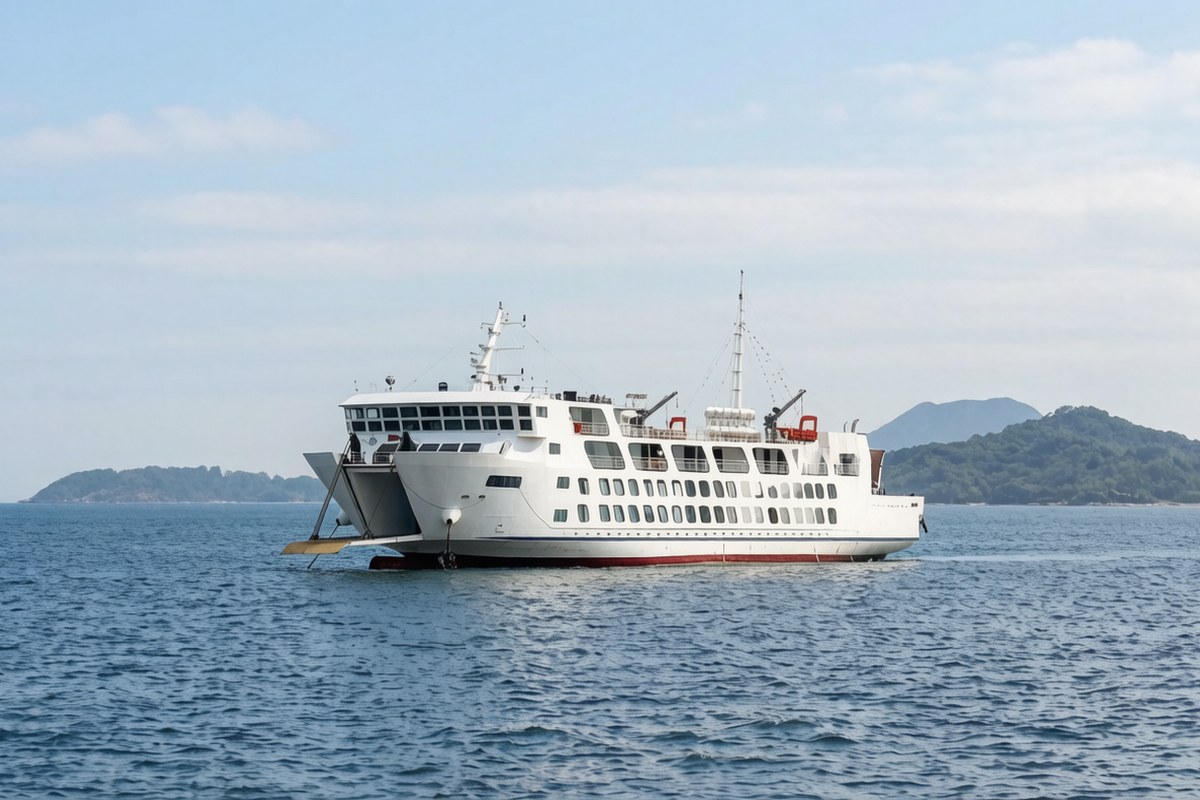
A 72 m series-design ro-pax ferry with flexible cabin and lane layouts for different route profiles and traffic volumes. Designed for tropical coastal service, carrying vehicles and passengers.
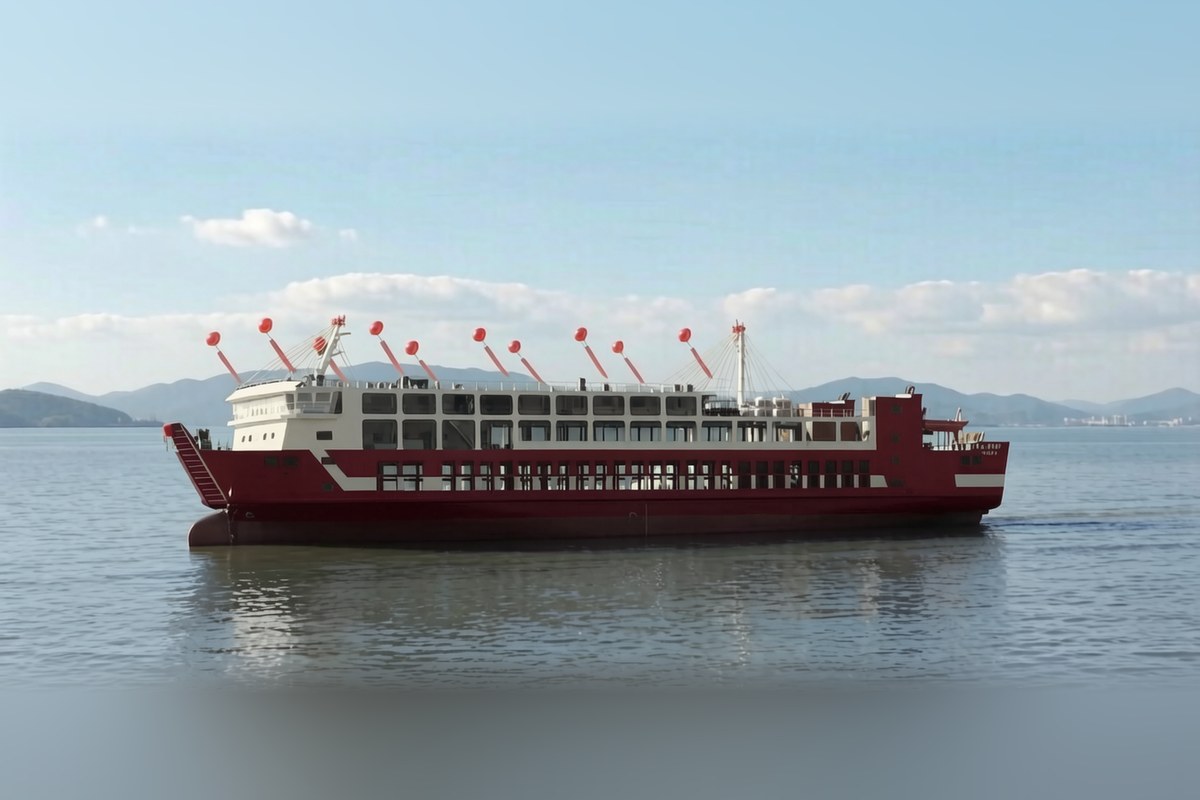
A 92 m ro-pax ferry for Indonesian coastal service, carrying 572 passengers and 460 lane metres of vehicles, with a design speed of about 13.5 knots and an endurance of about 1,620 nautical miles.
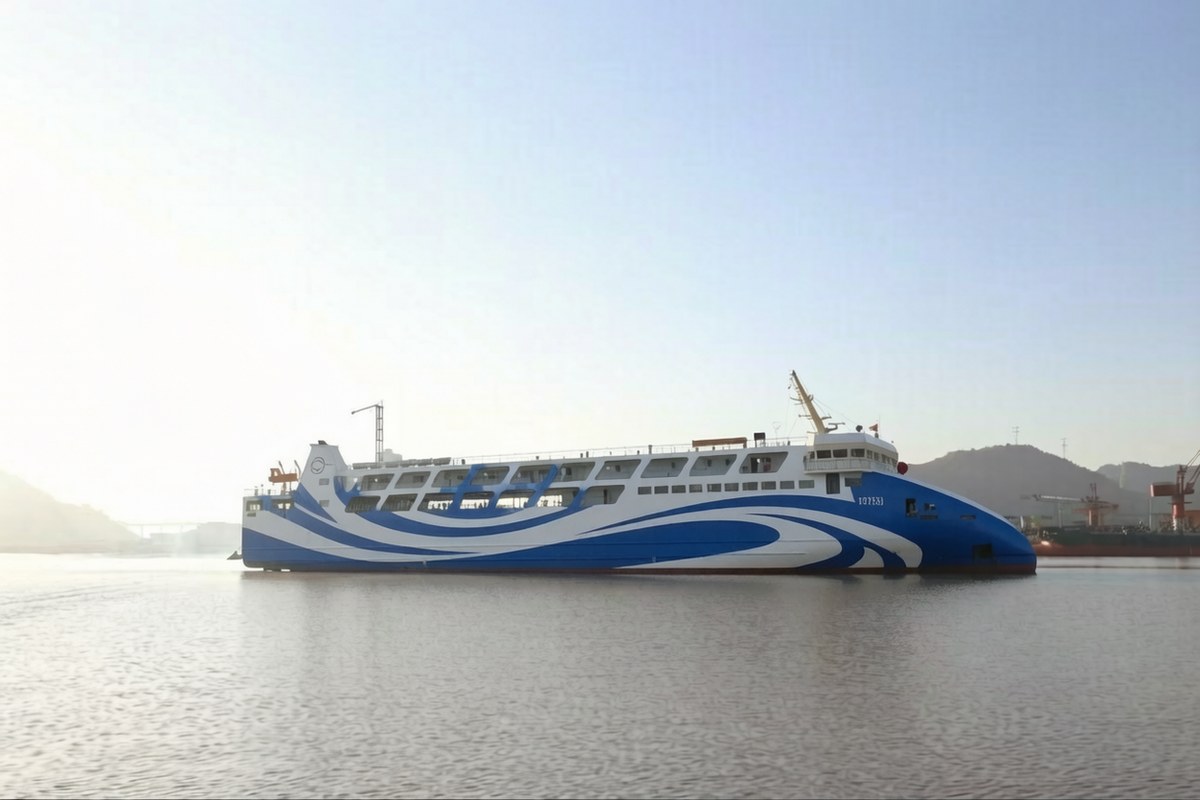
A 102 m ro-pax ferry for tropical service with 436 lane metres and capacity for 542 passengers, featuring a twin-screw, twin-rudder aft-engine layout, with hull, machinery and electrical design reviewed by RINA.
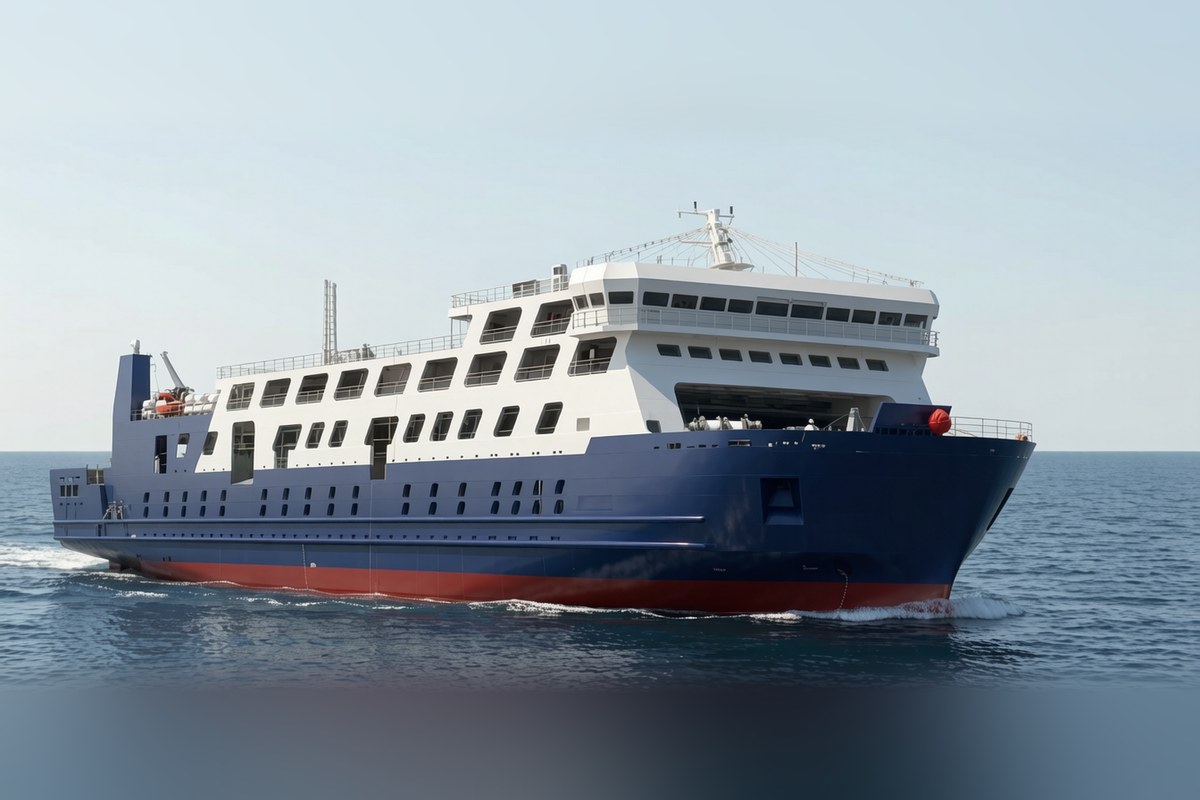
A 120 m ro-pax ferry for high-passenger, high-vehicle-volume routes, with 1,340 lane metres, capacity for 800 passengers, about 6,000 t deadweight and a design speed of about 15.2 knots.
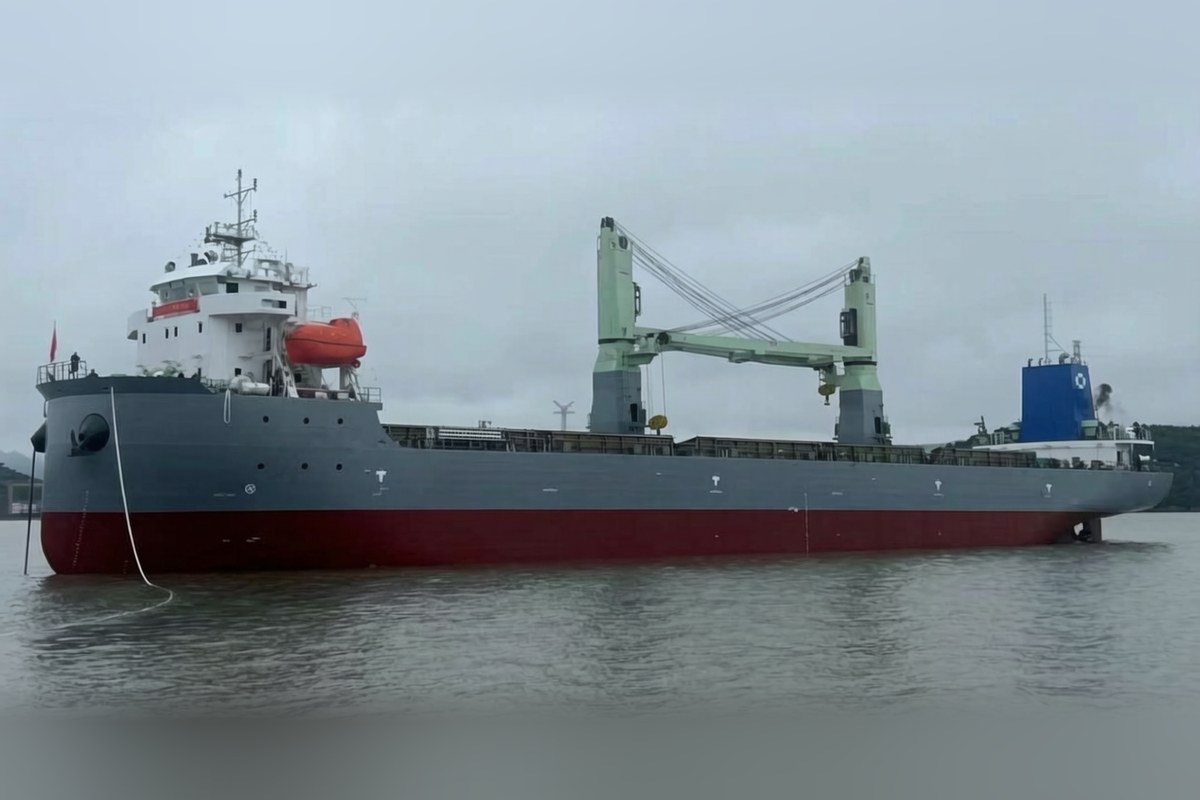
A 396 TEU open-top container ship tailored for coastal transport, also able to carry dangerous-goods containers, with flexible loading and handling. Designed for offshore ports in China without ice strengthening.
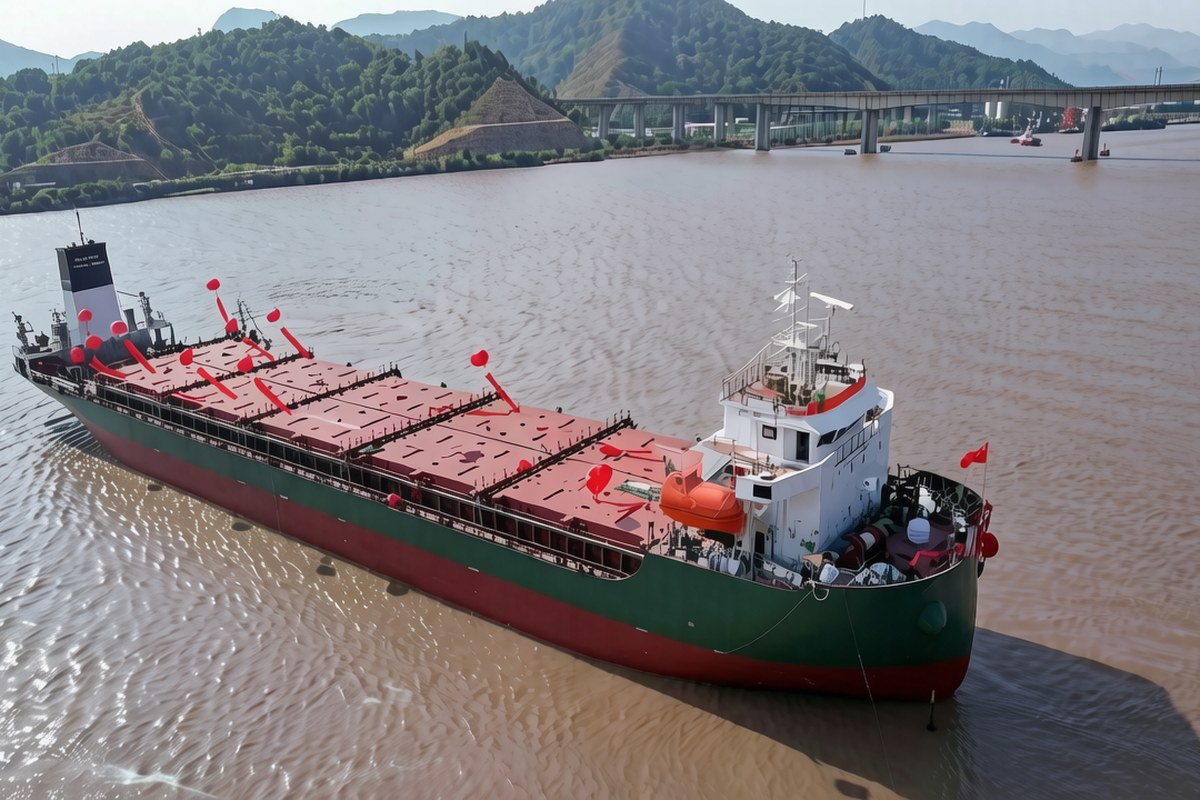
A 508 TEU container ship classed by RINA: LOA 108.8 m, breadth 18.6 m, design draft 5.2 m, about 6,500 t deadweight and 10.9 knots design speed. Fitted for dangerous-goods containers and deck reefers, with single-screw propulsion and a bow thruster.
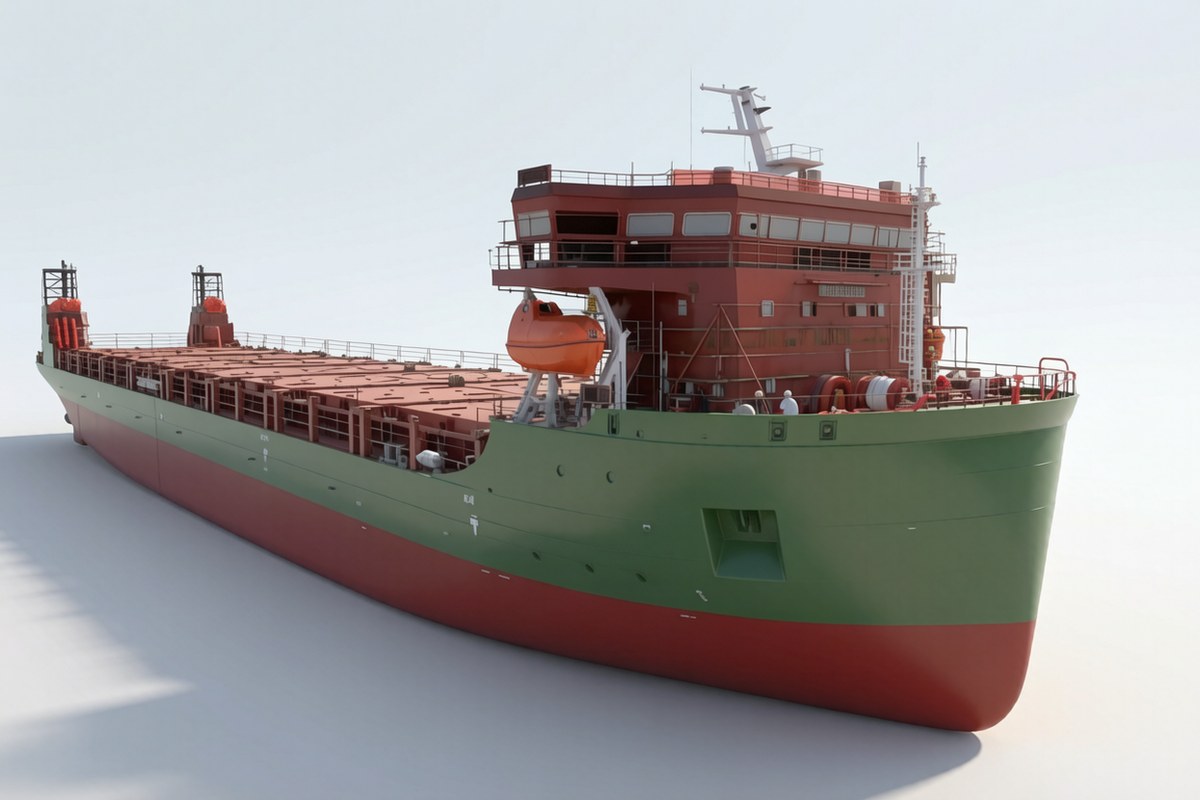
A 1220 TEU ocean-going container ship carrying 1,220 TEU or 606 FEU including 60 reefer plugs, also suitable for dangerous-goods containers, with a twin-screw, twin-rudder aft-engine layout reviewed by RINA.
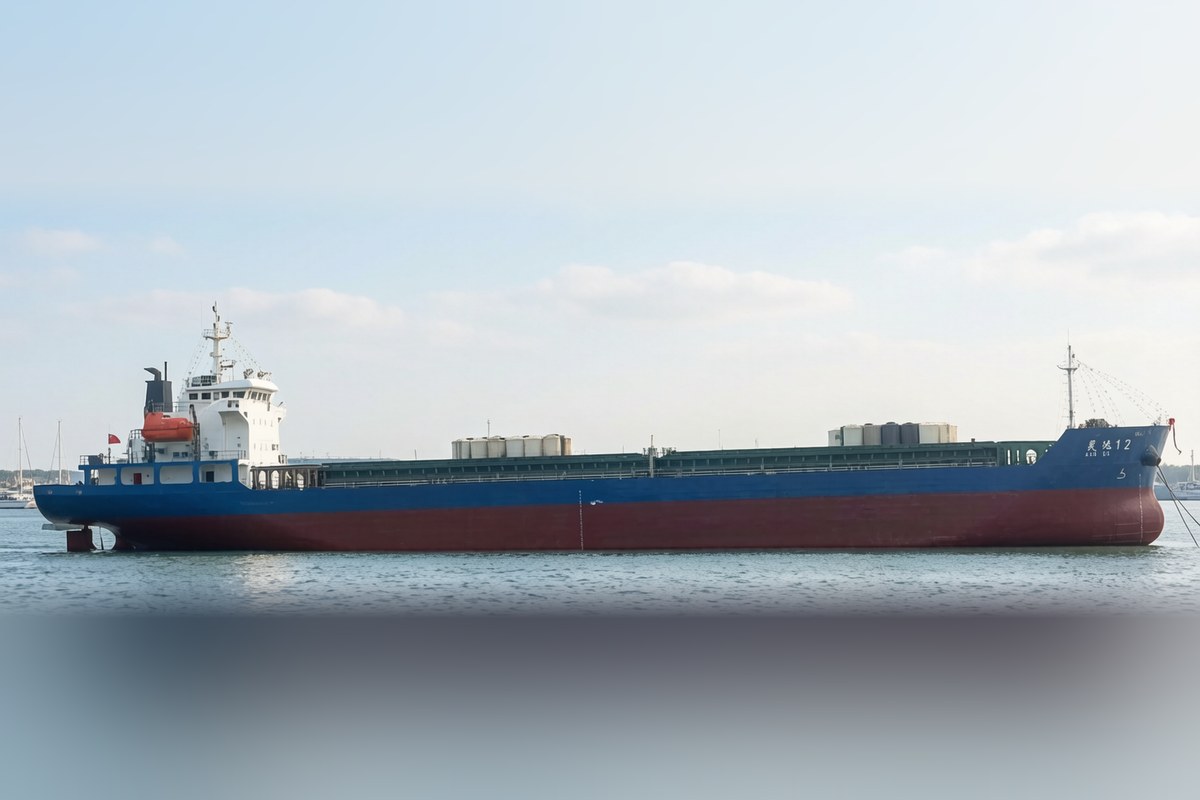
A 7,800 DWT coastal bulk carrier: LOA 112 m, breadth 16.2 m, scantling draft 6.7 m, trading domestic routes with coal, sand and gravel. The design focus is terminal handling efficiency and operating economy.
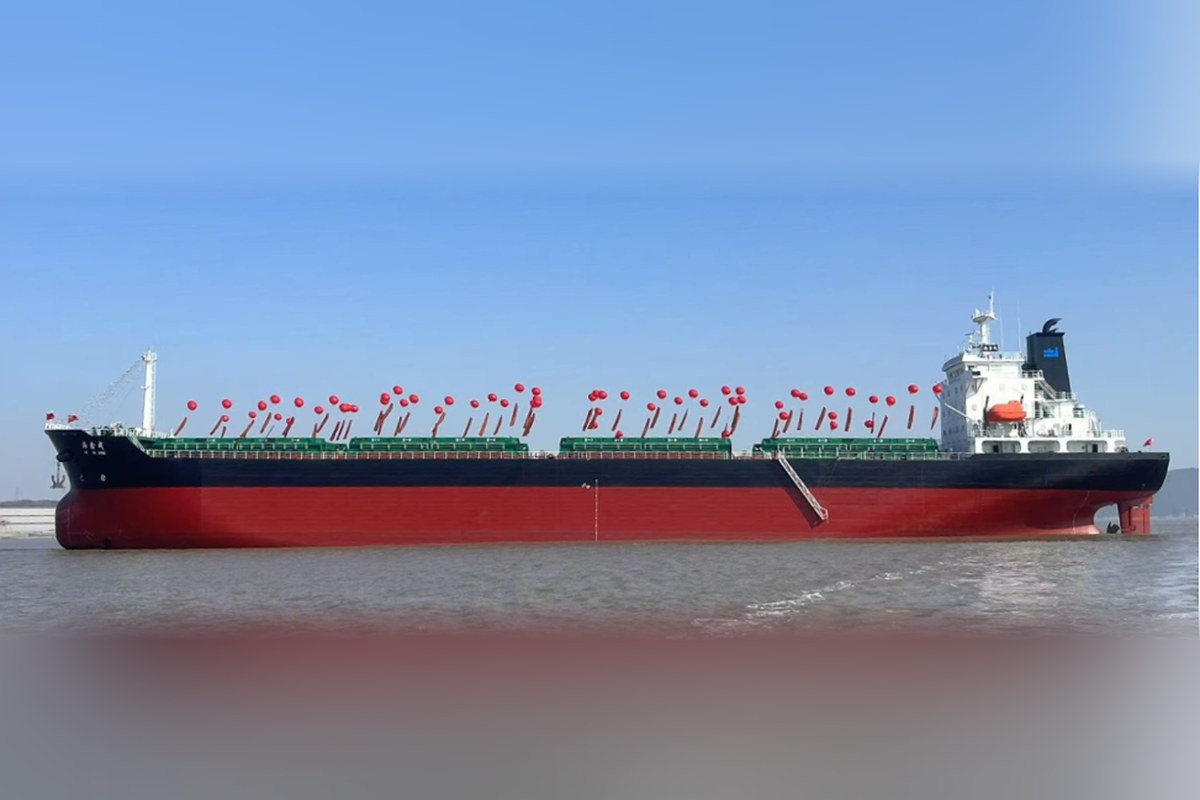
A 23,200 DWT bulk carrier: LOA 156.6 m, breadth 23.8 m, design draft 9.2 m, double bottom and double shell, four holds with hydraulic covers, 4,043 kW main engine and about 12.6 knots design speed, suited to steel coil and general bulk cargoes.
Explore UPSD ship and offshore engineering design projects across multiple vessel types.
A 72 m series-design ro-pax ferry with flexible cabin and lane layouts for different route profiles and traffic volumes. Designed for tropical coastal service, carrying vehicles and passengers.
A 92 m ro-pax ferry for Indonesian coastal service, carrying 572 passengers and 460 lane metres of vehicles, with a design speed of about 13.5 knots and an endurance of about 1,620 nautical miles.
A 102 m ro-pax ferry for tropical service with 436 lane metres and capacity for 542 passengers, featuring a twin-screw, twin-rudder aft-engine layout, with hull, machinery and electrical design reviewed by RINA.
A 120 m ro-pax ferry for high-passenger, high-vehicle-volume routes, with 1,340 lane metres, capacity for 800 passengers, about 6,000 t deadweight and a design speed of about 15.2 knots.
A 396 TEU open-top container ship tailored for coastal transport, also able to carry dangerous-goods containers, with flexible loading and handling. Designed for offshore ports in China without ice strengthening.
A 508 TEU container ship classed by RINA: LOA 108.8 m, breadth 18.6 m, design draft 5.2 m, about 6,500 t deadweight and 10.9 knots design speed. Fitted for dangerous-goods containers and deck reefers, with single-screw propulsion and a bow thruster.
A 1220 TEU ocean-going container ship carrying 1,220 TEU or 606 FEU including 60 reefer plugs, also suitable for dangerous-goods containers, with a twin-screw, twin-rudder aft-engine layout reviewed by RINA.
A 7,800 DWT coastal bulk carrier: LOA 112 m, breadth 16.2 m, scantling draft 6.7 m, trading domestic routes with coal, sand and gravel. The design focus is terminal handling efficiency and operating economy.
A 23,200 DWT bulk carrier: LOA 156.6 m, breadth 23.8 m, design draft 9.2 m, double bottom and double shell, four holds with hydraulic covers, 4,043 kW main engine and about 12.6 knots design speed, suited to steel coil and general bulk cargoes.
A 45 m multipurpose deck cargo vessel for coastal service: LOA 45.00 m, breadth 10.00 m, depth 3.00 m, design draft 2.20 m, deck capacity for six 40-ft or twelve 20-ft containers, 2×447 kW main engines and about 12 knots design speed.
A 5,150 DWT deck carrier: LOA 96.22 m, breadth 20.78 m, depth 5.65 m, design draft 4.23 m, trading Chinese ports with stone blocks, cement blocks, gravel and project cargo, at about 12 knots with roughly 1,200 nm endurance.
A 10,000 DWT-class deck carrier for Chinese coastal waters: LOA 125.78 m, breadth 26.00 m, depth 7.50 m, design draft 5.20 m, for large machinery cargo, with ice-strengthened structure allowing winter voyages north of Qingdao.
A grab dredger equipped with a 10 m³ grab for channel dredging and quay construction, handling underwater silt, sand and rock as a working asset for port infrastructure and channel maintenance.
A flat-bottom debris collector: LOA 12 m, breadth 3.5 m, depth 1.2 m and draft 0.8 m for shallow inland waters, with a rotating collection wheel and conveyor at the bow that lifts weeds, branches and plastic waste into the hold while underway.
A 37 m standby vessel for coastal aquaculture support, supplying living materials and carrying out inspection and patrol duties: LOA 37.00 m, breadth 6.80 m, depth 2.90 m, design draft 1.85 m, twin-screw twin-rudder with two deckhouse tiers and bilge keels.
A 90 m class crane vessel with heavy lifting equipment for offshore platform module lifts, emergency salvage of wrecks and sunken objects, and infrastructure works such as sea-crossing bridge piers and immersed tunnels.
A subsea pipe-laying vessel: LOA 105 m, breadth 26 m, 300 t main crane, pipe diameter range 4.5–60 inches, anchor and DP-2 dynamic positioning capability, with accommodation for about 100 crew and project personnel.
A 4,412 kW twin-screw ocean tug with strong towing and pushing capability, good power performance and manoeuvrability, assisting large vessels in berthing, ocean towage and emergency response.