396TEU Container Ship Energy-Saving Retrofit with Boss Cap Fins and Pre-Swirl Duct
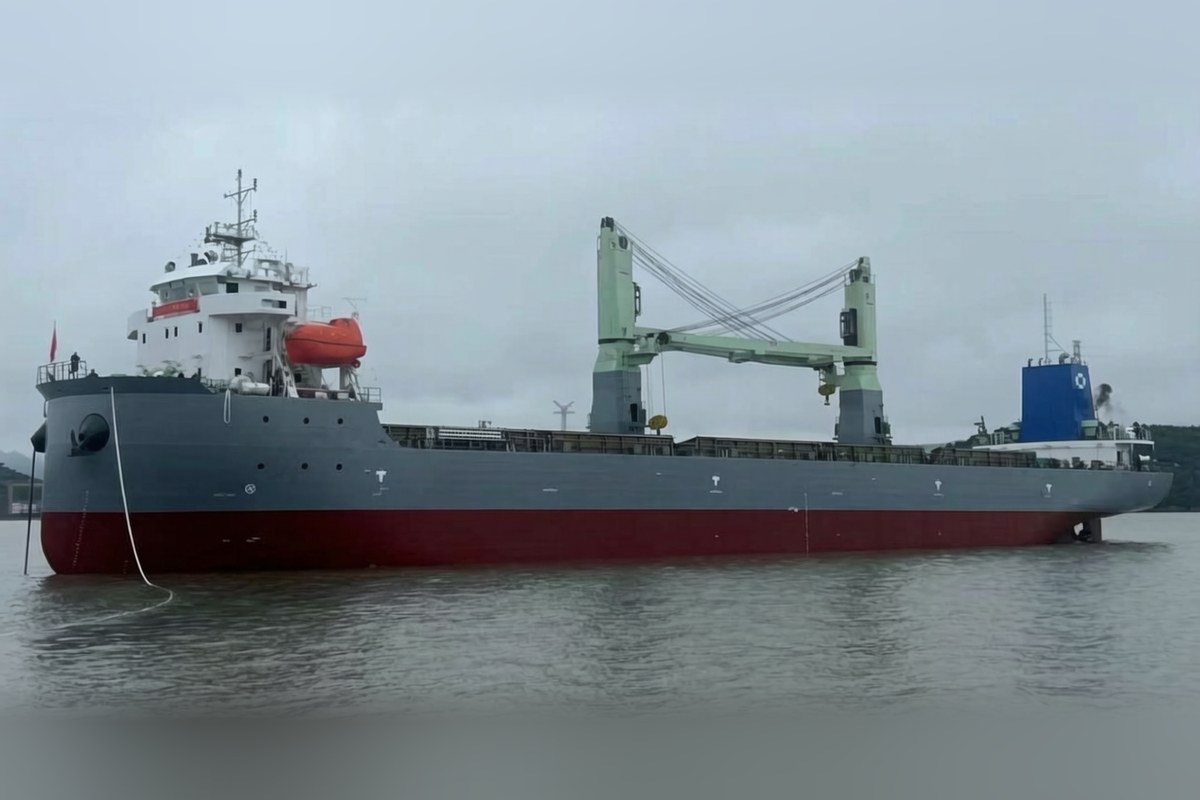
Technical Specifications
Project Background and Challenges
The vessel is a 396TEU open-top container ship for greater-coastal service, with a single-engine, single-screw, single-rudder aft-engine layout and frequent sailings between Chinese coastal ports, where fuel cost is a major share of operating expense. Energy is lost in the propeller boss-cap region and non-uniform inflow ahead of the propeller limits propulsive efficiency. The owner wanted to cut fuel consumption and gain speed margin through energy-saving devices without major hull or propulsion changes, while retaining manoeuvrability and reliability.
Our Solution
A combined solution of boss cap fins (BCF) and a pre-swirl duct (PSD) was adopted: fins fitted aft of the propeller boss cap, matched to the wake of the newbuild propeller, recover hub-vortex energy and weaken the hub vortex; a pre-swirl stator ahead of the propeller imparts inflow rotation in the direction of propeller rotation, improving inflow uniformity at the propeller plane and reducing blade-load fluctuation. Working together, the devices were matched through CFD optimization of stator blade angle, installation clearance and fin profile for the vessel's typical coastal operating conditions. The simple structures were installed during a scheduled dock period with no changes to the main engine or shafting.
Delivery and Results
After retrofitting the boss cap fins and pre-swirl duct, sea trials showed about 0.3 kn speed gain at the same engine setting; translated into engine power and propulsive efficiency, savings of about 5%-6%; based on the vessel's daily fuel use on its coastal route, roughly 0.4 t of fuel is saved per day. At around 300 operating days a year, this corresponds to about 120 t of fuel saved annually, together with lower engine load and carbon emissions. The device investment is recovered within a short period through fuel savings, and the results were confirmed by the owner.
- ~ +0.3 kn speed gain in sea trials
- 5%-6% saving in engine power / propulsive efficiency
- ~0.4 t less fuel consumed per day
- No engine or shafting changes; installed during scheduled docking